

Table of Contents
- Eco Friendly Fly Fishing Accessories Guide: What Actually Matters
- Essential Fly Fishing Gear for Beginners: Build It Once, Build It Right
- Sustainable Fishing Tackle: Lead-Free Weights, Tippet, and Flies
- Choosing a Fly Fishing Landing Net That Lasts
- Low-Impact Fly Fishing Practices on the Water
- Packs, Vests, and Gear Organization for Backcountry Trips
- Repair, Reuse, and End-of-Life: A Sustainable Buying Checklist
- Conclusion: Gear That Outlasts the Trend
- Frequently Asked Questions
Last Updated: October 7, 2026
Eco Friendly Fly Fishing Accessories Guide: What Actually Matters
Most fly fishing gear guides tell you what to buy. Almost none tell you what happens to it after you lose it in the river.
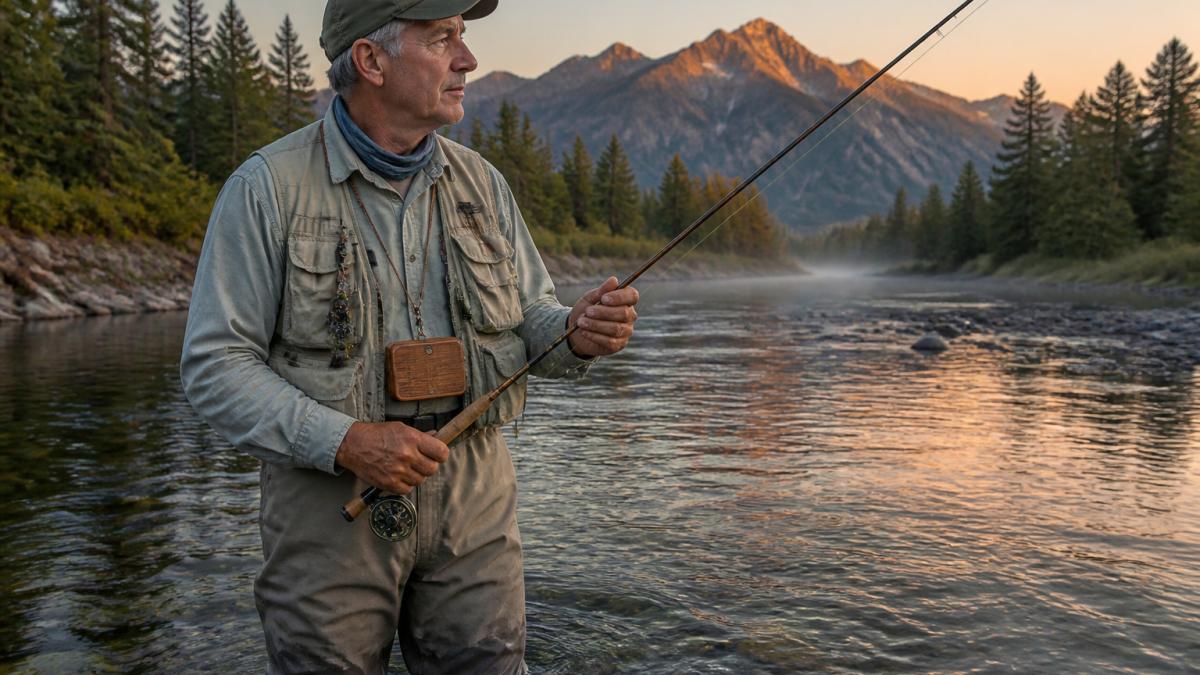
Eco friendly fly fishing is the practice of choosing accessories and tackle based on their materials, durability, toxicity, and end-of-life impact, not just their price or brand name.
Below, we break down the accessories that matter most, the materials question most guides skip, and a buying checklist you can actually use.
The Materials Question Most Guides Skip
Here's the part nobody tells you about fly fishing accessories: the material matters more than the label. A "green" fly box made from virgin plastic still ends up in a landfill. A brass weight biodegrades slowly but doesn't leach like lead.
We group accessory materials into three practical categories:
- Renewable and repairable: wood, cotton canvas, cork, natural fiber lanyards
- Durable synthetics worth keeping: stainless steel forceps, tungsten weights, quality nippers
- Avoid where possible: lead split shot, single-use plastic packaging, cheap nylon that frays fast
The trade-off is rarely clear-cut. Tungsten costs more than lead but doesn't poison waterfowl that ingest it. Wood fly boxes need occasional oiling but can last decades.
Essential Fly Fishing Gear for Beginners: Build It Once, Build It Right
The best beginner setup is one you won't replace in two seasons. For most new anglers, that means a moderate rod, a simple reel, and a focus on accessories that outlast trends.
U.S. Fish and Wildlife Service guidance on lead fishing tackle notes that lead tackle poses a documented risk to wildlife, which is why more anglers are switching materials.
Start here:
- A 9-foot, 5-weight rod (covers most trout water)
- A simple click-and-pawl or disc-drag reel
- Weight-forward floating line
- A tapered leader and tippet spools
- A wooden fly box, not plastic
- Nippers and forceps on a lanyard
- A landing net with a rubber or wood frame
That list is short on purpose. Buying fewer, better items beats a drawer full of gear you never use.

Rods, Reels, and Line: Where Longevity Beats Novelty
Vintage and gently used rods are often more repairable than new ones. Older fiberglass and split-cane rods can be re-wrapped, re-varnished, and kept fishing for generations.
A common mistake is chasing the newest reel technology when a well-maintained classic does the same job.
Our advice: spend on the rod and line, buy the reel used, and put the savings into a good net and fly box.
Sustainable Fishing Tackle: Lead-Free Weights, Tippet, and Flies
Sustainable fishing tackle means choosing materials that don't leave a toxic footprint when they're lost. Every angler loses tackle. The question is what you're leaving behind, and how long it stays in the ecosystem.
Why Lead Is the First Thing to Replace
Lead split shot is the highest-priority swap in a fly box. The mechanism is straightforward: lead is a heavy metal that does not break down in water or sediment. Waterfowl and other wildlife that feed in shallow water can ingest it as grit, and lead poisoning follows. U.S. Fish and Wildlife Service guidance on lead fishing tackle documents this risk and notes that even small amounts of ingested lead can be lethal to birds.
Tin, Tungsten, and Brass: Choosing Non-Toxic Weights
Tin, tungsten, and brass are the three practical alternatives to lead split shot. Each behaves differently on the water:
| Material | Weight vs Lead | Best For | Cost | Notes |
|---|---|---|---|---|
| Tin | Lighter | Shallow nymphing | Moderate | Softest of the three; can deform on rocks |
| Tungsten | Heavier, denser | Fast water, deep runs | Higher | Smallest profile for the same weight; sheds less |
| Brass | Similar | General purpose | Lower | Cheapest lead-free option; slightly bulkier |
Tungsten gets you down fast in heavy current. Tin works well when you're fishing shallow and want a softer presentation. Brass is the budget-friendly middle ground. A common pattern among anglers making the switch is to carry a small assortment of all three and match the weight to the water rather than forcing one material to do everything.
Tippet, Leaders, and Flies: The Microplastics Problem
Nylon and fluorocarbon tippet both shed microplastics as they degrade. Fluorocarbon is denser and sinks faster, but it persists longer in the environment than nylon. Neither is truly biodegradable. The practical answer is not to switch brands but to change habits:
- Buy fewer, longer spools and store them out of sunlight to slow degradation.
- Cut tippet over a container, not over the water, so clippings don't drift downstream.
- Retie rather than replace when a leader is still sound; a tapered leader can last multiple seasons with fresh tippet.
Fly Selection and Non-Toxic Finishes
Flies themselves are rarely toxic, but some finishes and adhesives contain solvents. Water-based head cement and UV-cure resins are lower-impact choices than solvent-based lacquers. If you tie your own, buying natural dubbing and saddle hackle in bulk reduces packaging waste and gives you control over materials. If you buy flies, look for tiers who list materials and avoid foam-bodied patterns that crumble after a few fish, foam fragments are a persistent microplastic source in rivers.
Choosing a Fly Fishing Landing Net That Lasts
A fly fishing landing net is one of the few accessories you'll touch on every fish.
Trout Unlimited's guidance on catch-and-release handling recommends rubber nets specifically because they reduce handling time and scale damage.
Vintage wooden nets, when they're structurally sound, are often better made than new imports. We carry gently used wooden nets at The Reeling Church Co. because a net with history usually has another twenty years in it.

Low-Impact Fly Fishing Practices on the Water
Low-impact fly fishing practices come down to three habits: pack out everything you bring, avoid disturbing redds and spawning beds, and handle fish quickly with wet hands.
A few specifics that separate careful anglers from careless ones:
- Never wade through visible redds in fall and spring
- Keep fish in the water; skip the grip-and-grin photo if it means extra air exposure
- Carry a small bag for broken tippet, fly wrappers, and stray monofilament
Leave No Trace principles for anglers frame these habits as part of a broader ethic: leave the water better than you found it.
Packs, Vests, and Gear Organization for Backcountry Trips
Gear organization is where eco-consciousness and practicality meet. A sling pack or fishing vest that holds everything in one place means fewer lost items on the trail and less chance of leaving monofilament in the brush.
What to look for:
- A sling pack for short trips, a vest for all-day wading
- A lanyard for nippers and forceps so you don't drop them in the current
- A waterproof pouch for your phone or a compact waterproof camera
Our handmade fisherman's lanyard is built for exactly this: keeping tools secure and sunscreen close, with proceeds benefiting the Second Season Foundation. It's a small accessory that changes how a day on the water feels.

Repair, Reuse, and End-of-Life: A Sustainable Buying Checklist
The most sustainable accessory is the one you already own. But "repair and reuse" only works if you know how, and if you have a plan for the gear that finally wears out. This section covers both.
A Repair-First Maintenance Plan by Accessory
Most fly-fishing accessories fail in predictable ways. Knowing the common failure points lets you fix them instead of replacing them:
- Wooden fly boxes: Dry out and crack at the hinges. Re-oil with a food-safe wood oil once a season; tighten or replace brass hinges with a small screwdriver.
- Rubber landing nets: Mesh can rot or tear. Replacement mesh bags are widely available and cost far less than a new net; wooden hoops can be sanded and refinished.
- Nippers and forceps: Dull blades can be sharpened with a fine diamond file; stainless forceps can be cleaned and re-sprung. Avoid buying pot-metal tools that snap instead of bending.
What to Do When Gear Is Truly Done
Some items reach a point where repair is no longer practical. Here's how to handle the end of life for common accessories:
- Monofilament and fluorocarbon: Never landfill or burn. Many tackle shops and sporting goods stores host line-recycling bins through programs like Berkley's line recycling. Collect clippings in a small container on the water and drop them off later.
- Lead split shot: If you still have lead, do not put it in household trash where it can leach in a landfill. Check with your local hazardous waste facility or a tackle shop that accepts it for proper disposal.
- Waders and rubber boots: Some brands offer take-back or recycling programs for neoprene and rubber. If none is available, cut them into utility use (garden, garage) before disposal.
A Sustainable Buying Checklist
Before buying anything new, run it through this checklist:
- Can I repair my current version instead of replacing it?
- Is this made from a material that will outlast me, or one that will fail in two seasons?
- Does it contain lead, PVC, or single-use plastic packaging?
If you answer "yes" to the first or last question, you probably don't need to buy new. When you do buy, buy the version that lasts. Our handcrafted wooden fly box, available in black walnut or bamboo, is designed to be oiled, refinished, and handed down rather than thrown out.
Conclusion: Gear That Outlasts the Trend
Every season brings a new "must-have" accessory. Most of them are plastic, packaged in more plastic, and forgotten by the following spring.
At The Reeling Church Co., we curate vintage, new, and gently used fly fishing equipment for anglers who care about where it came from and where it goes.
Shop our fishing gear and build a kit you'll still be fishing in twenty years.
Frequently Asked Questions
What fly fishing accessories do you actually need?
Start with the tools you will touch every trip: nippers for cutting line, forceps or hemostats for hook removal, a fly box, a landing net, and a lanyard or vest to keep it all organized. From there, add floatant, polarized sunglasses, and a waterproof pack. Beginners often buy too much at once. Build around a core kit, then add pieces as you learn your local water. Buying durable, repairable versions of these essentials costs more upfront but keeps gear out of landfills.
Which fly fishing accessories are the most environmentally friendly?
The greenest accessories are the ones you keep for decades. Vintage and gently used rods, reels, and wooden nets already exist, so buying them avoids new manufacturing impact. For new items, look for lead-free weights made from tin, tungsten, or brass, natural rubber net bags instead of nylon, and fly boxes made from wood or recycled materials. A handmade fisherman's lanyard built from durable materials also beats disposable plastic alternatives that crack within a season.
How can I reduce my environmental impact while fly fishing?
Three habits cover most of it. First, switch to lead-free split shot and jig heads so lost weights do not leach into the water. Second, pack out every piece of clipped tippet and mono, since stray line breaks down into microplastics. Third, wade carefully and use a rubber-mesh net to protect fish slime coats, which improves catch-and-release survival. Choosing low-impact fly fishing practices like these keeps streams healthy for the next generation.
What should a beginner bring on a fly fishing trip?
A 9-foot 5-weight rod, a reel with matching line, leaders and tippet, a small selection of dry flies and streamers, nippers, forceps, a landing net, and a compact fly box. Add waders and boots if you are wading, plus polarized sunglasses for spotting fish. A lightweight sling pack keeps everything accessible without weighing you down. Bring a spare spool of tippet and a few extra flies; losing patterns to snags is normal, especially on small streams.
How do you choose a sustainable landing net?
Look at three things: the frame material, the bag material, and how repairable it is. Wooden frames from reclaimed or responsibly sourced timber age well and can be refinished. Rubber or silicone mesh bags protect fish better than nylon and last longer. Vintage wooden nets are a strong option because they skip new production entirely; each one has its own character and history. Check the hoop size against your target species and confirm the handle length suits your wading depth.
What is the best way to dispose of used fishing line and tackle?
Never leave clipped line on the bank. Collect it in a small pouch or lanyard and drop it at a recycling bin at your tackle shop or marina. Monofilament can be recycled into new plastic products through dedicated programs. For damaged hooks and lures, remove them from the water and dispose of them in the trash rather than leaving them snagged. If you find discarded line while wading, pick it up; it takes seconds and prevents wildlife entanglement.