

Table of Contents
- Fly Fishing Rods at a Glance: Comparison Table
- Understanding Fly Rod Size and Weight
- 2-Piece vs 4-Piece Fly Rod: What Matters
- Best Fly Rod for the Money: Budget Breakdown
- Beginner Fly Rod Setup: Where to Start
- Rod Action, Power, and Casting Performance
- Choosing by Species: Trout, Bass, and Saltwater
- How We Selected These Fly Rods
- Frequently Asked Questions
Last Updated: October 5, 2026
Fly Fishing Rods at a Glance: Comparison Table
When you're shopping for fly fishing rods, the specs matter more than you might think. Rod length, weight, action, and construction all determine how well a rod performs on your specific water. The Reeling Church Co. curates a selection of rods built for different fishing styles and budgets, so you can find exactly what matches your needs without guessing.
Here's how our most popular options stack up:
| Rod Model | Price | Rod Length | Weight Class | Best For | Key Feature |
|---|---|---|---|---|---|
| Leo Professional Fly Rod | $62.99 | 9ft & 7ft | 5/6 | Versatile freshwater fishing | Balanced action, cork handle, multi-piece design |
| Limestone Fly Rod 9ft | $92.99 | 9ft | All-around | Rivers and streams | Lightweight, responsive blank, reliable performance |
| Ultra Lightweight Carbon Fiber (Avantik) | $116.00 | 6'1" - 7'6" | 1-4 | Small streams to larger water | High-modulus carbon fiber, crisp action, ultralight |
| Trout Light Fly Rod 9ft | $235.00 | 9ft | Ultralight | Delicate trout presentations | Precision control, sensitive tip, finesse-focused |
| The Farglory Fly Rod | $204.99 | Up to 10'6" | All-around | Premium freshwater setup | Classic design, wood-tone handle, includes case |
The budget options deliver solid performance. The premium rods add refinement, better balance, more responsive blanks, and materials that feel better in hand after a full day on the water.

Understanding Fly Rod Size and Weight
Rod specifications aren't just marketing jargon. They directly affect how the rod feels, how far you can cast, and whether it matches your fishing style. Understanding the relationship between rod length, weight, and line weight helps you make a choice you won't regret.
Rod Length and Casting Distance
Longer rods cast farther and mend line more efficiently, but they demand more arm strength and fatigue you faster on tight streams. Shorter rods excel in confined spaces where precision beats distance.
Most fly fishing happens on water where a 9-foot rod is the sweet spot. It's long enough to handle distance and line control, short enough to stay manageable in brush and around obstacles. The Leo Professional Fly Rod and Limestone Fly Rod both come in 9-foot lengths, which is why they work for so many fishing situations.

If you're targeting small streams where trees crowd the banks and you need to work tight pockets, consider the Avantik Carbon Fiber rod in its 6'1" configuration. That shorter length lets you drop a fly exactly where you need it without a long backcast. Conversely, if you're fishing wide open water or saltwater flats where distance matters, the Farglory's 10'6" reach gives you extra line control and the ability to cover more water.
Rod Weight and Balance
Rod weight, measured in ounces, determines how your arm feels after hours of casting. A lighter rod reduces fatigue, especially on days when you're making 500+ casts. A heavier rod often means more durability and better power for fighting larger fish, but the trade-off is real.
The Avantik Carbon Fiber rod is engineered specifically for all-day comfort without sacrificing performance. High-modulus carbon fiber construction delivers strength while keeping the rod featherlight in hand. If you're over 50 and spend full days on the water, weight matters more than younger anglers realize.
The Trout Light Fly Rod prioritizes sensitivity and balance for delicate presentations. Its lightweight blank lets you feel every subtle take while keeping your arm fresh. The Farglory balances classic aesthetics with responsive performance, offering a premium feel without excessive weight.
2-Piece vs 4-Piece Fly Rod: What Matters
Most fly fishing rods come in two pieces or four pieces. The number of pieces affects portability, assembly time, and, to a small degree, performance.
A 2-piece rod is simpler. You assemble two sections, and you're fishing in seconds. There's minimal risk of misalignment or damage during assembly. The downside: a 9-foot 2-piece rod is harder to pack for travel or store in tight spaces.
A 4-piece rod (or multi-piece design) breaks down smaller, making it ideal for travel, lodge trips, or storing in a vehicle. Assembly takes a few extra seconds, and you need to be careful not to force sections together. The Limestone and Leo Professional rods feature multi-piece designs that make transport easy without compromising casting performance.
Best Fly Rod for the Money: Budget Breakdown
Budget doesn't determine quality, it determines what features you get. The Leo Professional at $62.99 is a genuine entry point. The Limestone at $92.99 adds refinement. The Trout Light at $235.00 and Farglory at $204.99 target anglers who prioritize specific traits: finesse or premium aesthetics.
The Leo Professional Fly Rod delivers surprising value. At $62.99, it offers a responsive blank, balanced action, and cork handle. You're not compromising on core performance, you're skipping premium materials and finishes.
Step up to the Limestone Fly Rod for $92.99, and you get a lightweight, responsive blank built specifically for smooth casting and line control. It's still an all-around rod, but the performance edge is noticeable.
The Avantik Carbon Fiber rod at $116.00 targets anglers who want ultralight performance without the premium price tag. High-modulus carbon fiber construction means exceptional strength-to-weight ratio. If arm fatigue is a real concern, this rod pays dividends.
The Trout Light at $235.00 and Farglory at $204.99 aren't "better" rods, they're specialized. The Trout Light is for anglers who fish exclusively for trout and prioritize delicate presentations.
Beginner Fly Rod Setup: Where to Start
If you're new to fly fishing, the Leo Professional Fly Rod at $62.99 is an honest starting point. It's responsive enough to teach you proper casting form, and if you decide fly fishing isn't for you, you haven't invested heavily.
The key insight: don't buy a premium rod until you know what you actually want. A beginner often doesn't yet understand the difference between rod action, power, and feel. You're still developing the muscle memory to cast efficiently. A mid-range rod teaches you fundamentals without overwhelming your budget.
The Leo comes in 9ft and 7ft lengths. Start with 9ft unless you're fishing tight streams where shorter is genuinely necessary. The 9ft length handles most beginner scenarios: small streams, moderate rivers, and basic presentations.
Pair the Leo with a matching reel (The Reeling Church Co. offers the Leo Professional Fly Reel separately) and you have a complete, functional setup. Add a basic floating line and you're fishing.
As you progress, you'll develop preferences. Maybe you discover you fish small streams exclusively, then the Avantik in 6'1" makes sense. Maybe you want premium feel and aesthetics, then the Farglory or Trout Light justifies the investment.
Rod Action, Power, and Casting Performance
Rod action describes how much the rod bends and where it bends along its length. Fast action rods bend mostly near the tip. Slow action rods bend deeper into the mid-section.
Fast action means snappier casting and better line speed for distance. Slow action means forgiving, smooth casting that feels less tiring over a full day.
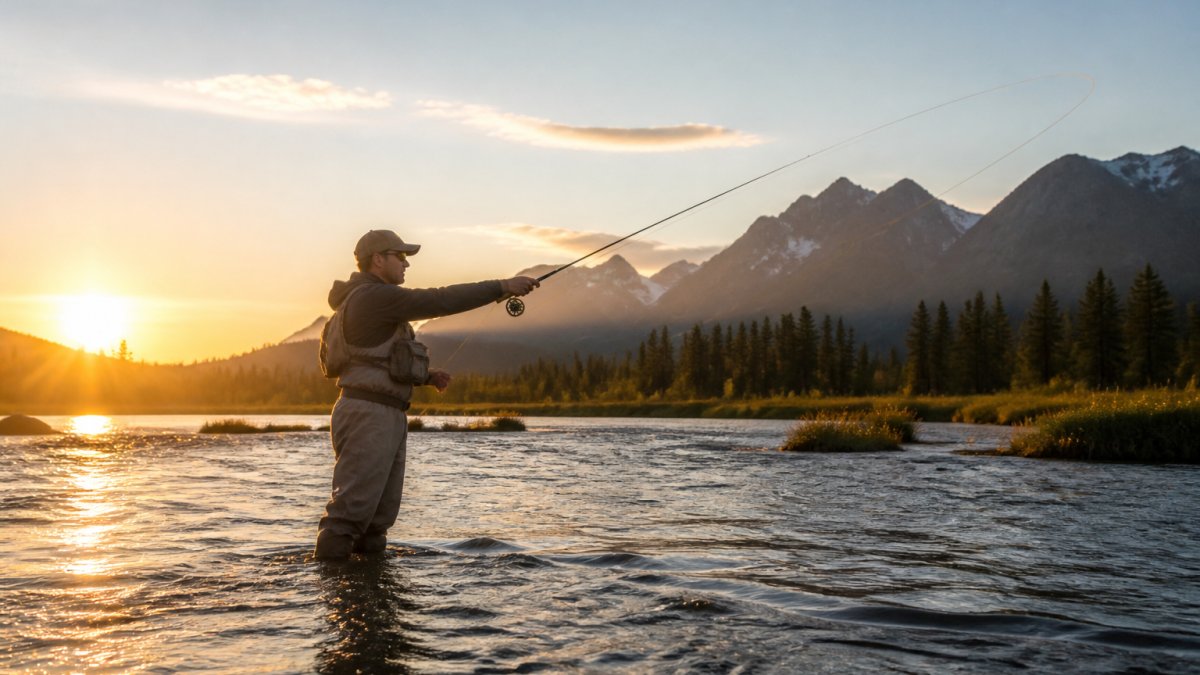
The Avantik Carbon Fiber rod delivers crisp, fast action. Its high-modulus carbon fiber construction transfers energy efficiently from your cast to the line.
The Trout Light prioritizes sensitivity and balanced action. Its responsive blank loads smoothly even with delicate presentations. You feel the fly working and detect takes instantly.
The Limestone and Leo Professional both feature balanced action that handles most situations competently. They're not specialized, they're versatile. That's exactly what most anglers need.
Power describes how much weight the rod can handle and how hard it fights fish. A 5-weight rod handles 5-weight line and fights fish up to roughly 2-3 pounds comfortably.
Choosing by Species: Trout, Bass, and Saltwater
Different fish live in different water and require different presentations. Your rod choice should match the species you're targeting.
Trout fishing dominates freshwater fly fishing, and most trout rods are 8-9 feet in length. Trout are selective feeders that demand accurate, delicate presentations. The Trout Light Fly Rod is built specifically for this: a 9-foot ultralight rod that lets you place a small fly exactly where you want it.
Largemouth bass fishing requires different tactics. Bass hit larger flies, so you need a rod that handles bigger offerings without tiring. Bass also live in weedy water where you need power to set the hook and control the fish.
Saltwater fishing introduces entirely different variables. Saltwater fish are larger, stronger, and live in open water where distance matters. None of our current selection is specifically built for saltwater, but the Farglory's 10'6" reach and strong construction come closest to saltwater capability.

The practical takeaway: if you fish exclusively for one species, choose a rod optimized for that species. If you fish multiple species, choose a versatile all-around rod like the Limestone or Leo Professional. You sacrifice some specialization, but you gain flexibility.
How We Selected These Fly Rods
At The Reeling Church Co., we prioritize rods that balance performance, value, and authenticity. Our selection includes classic designs alongside modern materials because we believe great fly fishing gear serves both function and soul.
We evaluated each rod on several criteria: casting performance in real conditions, balance and weight in hand, line control and accuracy, durability, and value relative to price. We also considered versatility, how many different fishing scenarios each rod handles well.
The Leo Professional offers honest value. It's not flashy, but it works. The Limestone adds refinement without excessive cost. The Avantik introduces ultralight carbon fiber for anglers who prioritize all-day comfort. The Trout Light specializes for precision-focused anglers. The Farglory combines premium aesthetics with solid performance for buyers who want a rod that looks as good as it casts.
We deliberately kept our selection focused rather than exhaustive. You don't need 50 options, you need the right rod for your fishing. Our curation reflects that philosophy.
Finding the right fly fishing rod means matching rod length, weight, action, and price to your actual fishing. Start with the Leo Professional Fly Rod if you're testing the sport or want solid value. Move to the Limestone Fly Rod when you're ready for refined performance. Choose the Trout Light if delicate trout presentations are your focus, or the Avantik Carbon Fiber rod if all-day comfort matters most.
Frequently Asked Questions
What is the best fly fishing rod for beginners?
Start with a 9-foot rod in 5 or 6 weight, this length and weight work across most freshwater conditions. A beginner fly rod setup should pair a responsive blank with a comfortable cork handle and multi-piece construction for easy transport. The Leo Professional Fly Rod (9ft, 5/6 weight, $62.99) delivers smooth casting, accuracy, and all-day comfort on the water, making it ideal for learning without overwhelming complexity.
Is a 2-piece or 4-piece fly rod better?
A 4-piece rod breaks down smaller for travel and storage but adds extra joints that can affect action slightly. Your choice depends on how often you transport your rod, if you fish locally, 2-piece is standard; if you travel frequently, the 4-piece trade-off is worth it.
What does fly rod weight mean, and how do I choose?
Rod weight (3-weight, 5-weight, etc.) matches the line weight it casts. Lighter weights (3-4) suit small streams and delicate presentations; medium weights (5-6) work for most trout and small bass; heavier weights (8+) handle larger fish and saltwater. Choose based on the species you target and water size, a 5/6 weight covers most freshwater situations.
Can one fly rod work for multiple species?
Yes, a versatile all-around rod in 5 or 6 weight handles trout, small bass, and panfish effectively. However, specialized rods perform better, ultralight rods excel at trout finesse, while heavier rods fight larger fish more confidently. The Limestone Fly Rod (9ft, $92.99) is well-balanced for rivers and streams across multiple conditions, though pairing species-specific rods gives you better control and feel.