

Table of Contents
- What Is a Sealed Drag System?
- Sealed Drag vs Cork Drag: Key Differences
- When a Sealed Drag Reel Justifies Its Cost
- Fly Fishing Reel Maintenance Tips
- How to Choose a Fly Reel
- Sealed Drag Reels in Real Conditions
- Conclusion: Making Your Decision
- Frequently Asked Questions
Last Updated: October 4, 2026
What Is a Sealed Drag System?
A sealed drag reel is a fly fishing reel with internal drag components protected from water, sand, salt, and other contaminants through mechanical seals or gaskets. The sealed drag system works by isolating the drag disc mechanism, the component that creates resistance when a fish pulls line, from the external environment.
Multiple gasket layers and precision-engineered seals prevent water ingress. Without them, corrosion and grit degrade smoothness and cause mechanical failure. A sealed drag reel maintains consistent drag pressure after repeated exposure to saltwater and sand.
The core advantage is maintenance-free operation in demanding conditions. You can fish saltwater flats and sandy beaches without worrying that performance will degrade between trips, whereas cork systems absorb moisture and corrode in salt spray.
Sealed Drag vs Cork Drag: Key Differences
Cork drag systems use compressed cork as the friction surface. Saltwater and sand accelerate wear and create inconsistent drag pressure over time.
Sealed drag systems use multi-layer carbon or composite discs in a sealed chamber, keeping drag smooth because contaminants can't penetrate. Sealed systems cost more upfront, but cork systems demand more maintenance and deteriorate faster in harsh water.
| Feature | Sealed Drag | Cork Drag |
|---|---|---|
| Saltwater Performance | Corrosion-resistant | Degrades quickly |
| Maintenance | Minimal rinse protocol | Regular disassembly and cleaning |
| Drag Consistency | Stable across seasons | Degrades with use |
| Cost | Higher initial price | Lower initial price |
| Best For | Saltwater, sand, frequent use | Freshwater, casual fishing |
Cork systems aren't obsolete for freshwater trout fishing; many anglers prefer the smooth drag feel. The real question is which matches your environment and maintenance tolerance.
When a Sealed Drag Reel Justifies Its Cost
A sealed drag reel becomes worthwhile when your fishing environment or frequency demands it. The premium price pays for itself through longevity and reduced maintenance.
Saltwater and Coastal Environments
Saltwater fishing is where sealed drag reels earn their cost. Salt spray, sand intrusion, and high-volume casting destroy cork systems. If you fish bonefish flats or coastal rivers, a sealed drag is essential.
The L.L.Bean Orion Salt Water Reel ($162.95) exemplifies this category, with sealed drag protection and large arbor design for fast retrieval.
High-Volume Fishing and Professional Use
Fishing guides and lodge owners who fish 200+ days per year benefit from sealed drag reels. The TRCCo. Salt & River Large Arbor Reel's multi nano carbon disc drag system delivers consistent stopping power, and sealed construction means less downtime between trips.

For casual anglers fishing 10-20 days per year in freshwater, the maintenance advantage disappears.
Is a Sealed Drag Necessary for Trout Fishing?
No. Trout anglers fishing clean freshwater rivers don't encounter sand and salt that destroy cork systems. A well-maintained cork drag reel performs beautifully on tailwaters and mountain streams.
The Sage 4560 Fly Reel, Bronze ($299.00) demonstrates this perfectly. Its smooth drag works excellently in freshwater, with the premium reflecting build quality and aesthetics, not sealed drag technology.
However, if you fish coastal rivers for steelhead or Atlantic salmon in saltwater-influenced environments, even trout fishing justifies a sealed system.
Fly Fishing Reel Maintenance Tips
Proper maintenance extends the life of any reel, but sealed and unsealed systems require different approaches. Understanding these differences helps you avoid costly mistakes and maximize your reel's lifespan.
Maintenance for Sealed Drag Reels
Sealed drag reels require a post-fishing rinse protocol. After each saltwater session, rinse thoroughly with fresh water using a hose or bucket, never a pressure washer. Spray water through the arbor, spool, and frame until salt and sand are gone, paying special attention to the spool-to-frame junction.
For sealed reels, that rinse is typically sufficient. In extremely sandy environments, consider a secondary 10-15 minute freshwater soak to dissolve remaining salt residue.
Never disassemble a sealed reel yourself. The seals are precision-fitted with specific gasket materials and torque specifications. Attempting home reassembly almost always results in leaks or misalignment, which defeats the purpose of the seal. If your sealed reel develops drag inconsistency or water ingress, send it to the manufacturer or a qualified reel technician.
Maintenance for Cork Drag Reels
Cork drag systems demand more active maintenance in saltwater or high-use scenarios. After rinsing, disassemble every 5-10 fishing days to inspect the cork drag stack.
Remove the spool and lift out the drag stack (usually 3-5 cork discs with metal spacers). If you see salt deposits or discoloration, soak in fresh water for 15-20 minutes, scrub gently, rinse, and air-dry completely before reassembly.
Once dry, apply light synthetic drag oil to metal spacers and cork surfaces to restore smoothness and prevent drag stiction. Reassemble carefully, ensuring the drag stack sits flat and the spool rotates freely.
Cork drag systems in freshwater require less frequent maintenance: a rinse after each outing and light oiling every 20-30 days. The burden appears only with saltwater or sand exposure.
Storage and Environmental Factors
Store reels in a cool, dry place away from direct sunlight. In tropical or humid environments, use a sealed container with silica gel packets to control moisture.
For reels stored long-term (off-season), apply a light protective oil to all metal surfaces to prevent oxidation. Sealed reels require less attention, but a thin coat on the exterior frame prevents corrosion during storage.
Common Maintenance Mistakes
Never use high-pressure washers, apply heavy oils to cork systems, store reels while wet, or open sealed drags. These mistakes compromise performance and protection.
TRCCo. Salt & River Large Arbor Reel →
How to Choose a Fly Reel
Selecting a fly reel depends on three primary factors: your target species, your fishing environment, and your budget. But beneath these lies a fourth, often overlooked factor: whether the reel is repairable or effectively disposable once the drag fails.

Drag Consistency and Performance
Drag smoothness matters most when you're fighting large or strong fish. A reel with erratic drag, one that sticks, then suddenly releases, causes broken tippets and lost fish. Sealed drag systems excel here because the sealed chamber maintains consistent drag pressure regardless of external conditions.
The TRCCo. Salt & River Large Arbor Reel's multi nano carbon disc drag system is engineered specifically for this. It delivers silky-smooth, consistent stopping power, which is essential when you're connected to a 12-pound bonefish or a powerful steelhead.
For trout, even modest drag systems perform adequately. The Lamson Liquid Fly Reel 5# at $119.00 offers a smooth, reliable drag system that handles trout beautifully. It's a workhorse reel that won't break your budget.
Durability and Longevity
Durability depends on materials and environment. Aircraft-grade aluminum, sealed construction, and quality bearings extend reel life significantly. The TRCCo. Salt & River Reel uses CNC-machined aircraft-grade aluminum and full saltwater-proof construction, meaning it's built to last decades of hard use.
For freshwater-only use, durability becomes less critical. A good cork drag reel can last 20 years with basic care. The real durability killer is saltwater exposure without seals, which can destroy a reel in a single season.
Repairability vs. Replaceability: The Hidden Cost Factor
This is where many anglers miscalculate the true cost of a sealed drag reel. When a sealed drag system fails, whether due to seal degradation, internal corrosion, or bearing failure, the question becomes: can it be repaired, or is it a throwaway component?
Most sealed drag reels are not field-repairable. Once the seal fails, water ingress begins, and the drag mechanism degrades rapidly.
In contrast, cork drag reels are fully user-serviceable. This repairability extends the effective lifespan of a cork reel significantly, because you can address wear without sending it away.
For saltwater anglers, sealed drag is still justified because the reel's performance remains consistent throughout its lifespan, and the seal prevents catastrophic failure in the first place. But for freshwater anglers, the repairability advantage of cork systems is substantial and often overlooked.
Cost-to-Value Ratio
For freshwater trout fishing, you don't need to spend more than $200 to get excellent performance.
The Scientific Anglers System 1 Fly Reel, 6/7/8wt at $149.99 represents strong value. It's a gently used classic with British-made precision and a disc drag system that performs smoothly. If you want a sealed reel for saltwater without the premium price, the L.L.Bean Orion at $162.95 delivers sealed drag protection at a reasonable cost.
The key is matching your spend to your needs and your willingness to maintain or repair. Spending $300 on a sealed reel when you fish freshwater trout twice a year is overinvestment. Spending $120 on a cork drag reel and then fishing saltwater is underinvestment. But if you choose a cork reel for freshwater, factor in the cost of occasional maintenance and the peace of mind that comes from being able to service it yourself.
Sealed Drag Reels in Real Conditions
Sealed drag reels prove their worth when you actually fish them hard. On a saltwater flat, your reel takes direct spray every cast. After eight hours of fishing, sand has worked into every crevice of an unsealed reel. A sealed system keeps the drag chamber clean, so your reel performs on the last cast exactly as it did on the first.
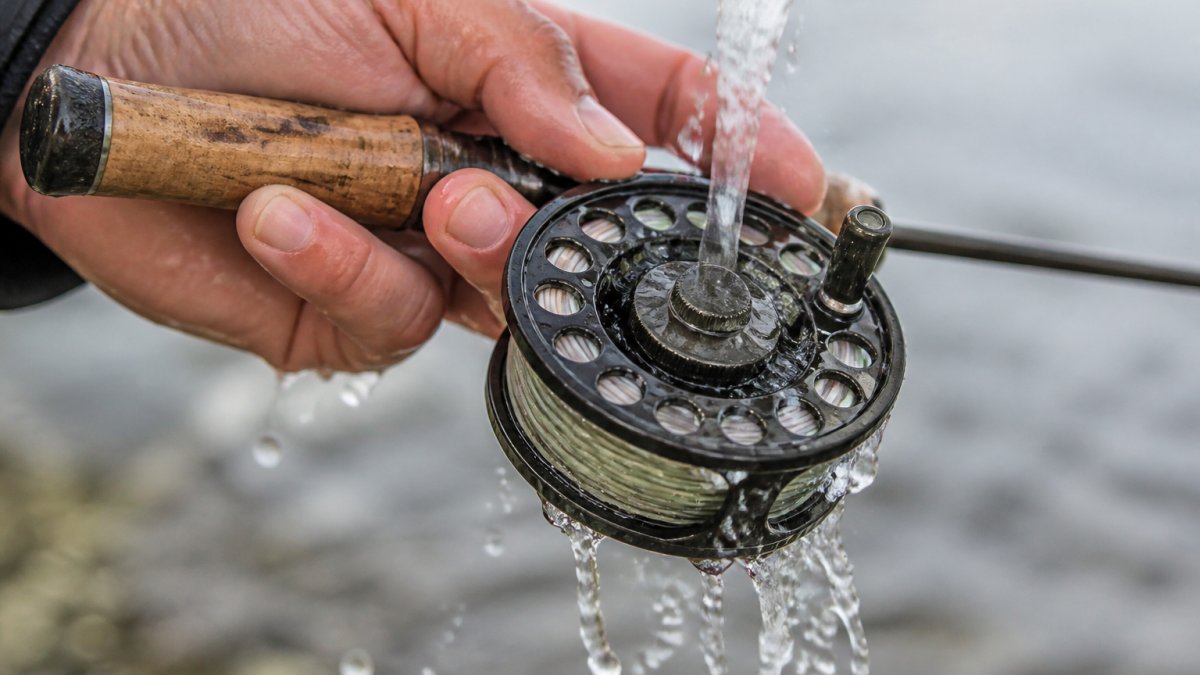
The difference becomes obvious when you compare a sealed and unsealed reel after a saltwater season. The unsealed reel develops start-up inertia, a hesitation before the drag engages, because sand particles have lodged in the drag mechanism. The sealed reel engages smoothly every time.
For guides and lodge owners, this consistency is non-negotiable. Clients expect reels that perform predictably. A guide carrying a TRCCo. Salt & River Reel knows it will deliver reliable drag performance across a full week of saltwater fishing without degradation.
Freshwater anglers rarely encounter these conditions. A trout stream doesn't expose your reel to sand and salt the way a bonefish flat does. This is why sealed drag becomes optional for trout fishing, the environment doesn't demand it.
Conclusion: Making Your Decision
A sealed drag reel is worth the money if you fish saltwater, sandy environments, or fish frequently enough that maintenance becomes a burden. The premium price buys consistent drag performance and reduced maintenance in harsh conditions.
For freshwater trout fishing, sealed drag is a luxury, not a necessity. A quality cork drag reel performs beautifully on clean rivers and requires only basic care.
At The Reeling Church Co., we curate both sealed and cork drag reels because the right choice depends on your specific water and fishing style. Our TRCCo. Salt & River Large Arbor Reel delivers sealed drag protection with CNC-machined aluminum construction and multi nano carbon disc drag for anglers who demand performance in demanding conditions. For trout anglers, the Sage 4560 offers large-arbor performance and smooth drag at a mid-range price.
Frequently Asked Questions
What are the primary benefits of a sealed drag system?
A sealed drag reel protects internal components from sand, salt spray, and grit that corrode standard drag systems. The sealed design maintains consistent drag pressure longer, reduces maintenance frequency, and extends the reel's working life in harsh environments. For saltwater and high-volume fishing, sealed systems deliver better long-term performance and reliability.
Do I need a sealed drag reel for freshwater fly fishing?
For most trout and freshwater fishing, a sealed drag reel is not essential. Standard disc drag systems perform well in clean freshwater environments where contaminants like sand and salt are minimal. However, if you fish frequently in sandy rivers or dusty conditions, or if you want maximum durability with minimal maintenance, a sealed system offers genuine advantages worth the extra cost.
How does a sealed drag reel differ from a cork or standard disc drag?
Cork drag systems are older and wear faster, requiring regular replacement. Standard disc drag reels use exposed mechanical seals vulnerable to water ingress and corrosion. Sealed drag reels use gaskets and mechanical seals to keep contaminants out entirely, maintaining drag smoothness and consistency across many seasons of use without degradation.
Are sealed drag reels truly maintenance-free?
Sealed drag reels require far less maintenance than unsealed systems, but not zero. After saltwater use, a freshwater rinse is still recommended to remove surface salt. Internal components are protected, so you won't need to replace drag materials or clean internal mechanisms. This makes them lower-maintenance, though basic care extends their lifespan further.
The decision comes down to your environment and commitment level. Saltwater fishing demands a sealed drag. Freshwater trout fishing gives you the choice. Match the reel to your water, and you'll make the right investment. Shop our fishing gear and find the reel that matches your fishing life.