

Table of Contents
- Click Pawl vs Disc Drag Reels: The Core Difference
- Drag Strength, Adjustability, and Startup Inertia
- Best Fly Reel for Trout and Other Target Species
- Fly Reel Drag Adjustment and Line Control
- Fly Reel Maintenance and Long-Term Durability
- Reel Balance, Weight, and Fishing Style
- Decision Framework: Which Reel Type Wins for You
- Frequently Asked Questions
Last Updated: October 12, 2026
Click Pawl vs Disc Drag Reels: The Core Difference
When you're standing on the water with a fish pulling hard, your reel's drag system is the only thing between a successful fight and a snapped tippet. The choice between click pawl vs disc drag reels shapes everything about how you'll control that moment, and every cast before it.
At The Reeling Church Co., we work with anglers who've spent decades learning their craft, and we've seen how the wrong reel choice can undermine an otherwise perfect setup.

How Click-and-Pawl Drag Systems Work
A click-and-pawl reel operates on pure simplicity. A spring-loaded pawl engages with teeth on the spool's gear, creating that distinctive clicking sound as line pulls out.
What makes this system appealing is its transparency. You hear exactly what's happening. There's no mystery about whether your drag is set correctly, you can feel it, hear it, and adjust it by hand if needed during the fight.
The tradeoff is adjustability. Click-and-pawl systems offer limited drag pressure range. You're working within whatever tension the spring and pawl geometry allow. For small fish or technical conditions where you need precise, light drag, this works perfectly.
How Disc Drag Systems Work
Disc drag reels use a fundamentally different approach. Brake pads, typically made of cork, felt, or synthetic materials, press against a rotating disc attached to the spool.
This gives you granular control. You can dial in exactly the drag pressure you need, from feather-light for delicate presentations to maximum stopping power for strong fish. The adjustment is smooth and consistent across the entire range.
The mechanical complexity brings both advantages and vulnerabilities. You get superior adjustability and more stopping power, but you also get more parts that can wear, corrode, or fail. Disc drag systems require periodic maintenance: the brake pads can glaze over time, reducing friction.
Drag Strength, Adjustability, and Startup Inertia
The performance difference between these systems becomes clear when you examine three specific metrics: maximum drag pressure, how smoothly the drag engages, and how predictably it performs across different conditions.
Maximum Drag Pressure and Stopping Power
Click-and-pawl reels typically max out at 2-3 pounds of drag pressure. For trout and small saltwater species, this is plenty. For salmon, large steelhead, or aggressive saltwater fish, you're hitting the ceiling of what the mechanical design allows.
Disc drag systems routinely deliver 5-8 pounds of drag pressure or higher, depending on the reel size and brake pad material. This gives you the stopping power to turn a running fish without relying on technique to supplement the reel's capability. For anglers targeting larger species or fishing in strong currents where you need to control the fish quickly, this matters.
Startup Inertia and Smooth Drag Engagement
Startup inertia is the moment of resistance when a fish first takes line. Click-and-pawl systems engage almost instantly, the pawl catches the gear tooth with minimal delay. You feel the line stop abruptly, which gives you immediate feedback.
Disc drag systems have slightly more startup inertia because the brake pads need to overcome static friction before they begin slowing the spool. The drag doesn't engage with the same snap as a click-and-pawl. For some anglers, this feels mushy.
The smoothness of disc drag is its real strength. Once engaged, the resistance is consistent and predictable.
Best Fly Reel for Trout and Other Target Species
The species you're targeting should drive your drag system choice. Different fish demand different reel characteristics.
Small Fish and Technical Conditions
For trout in small to medium streams, click-and-pawl reels are the traditional choice and often the best one. The light, adjustable startup drag lets you set pressure that won't break 5X or 6X tippet.
The Proberos Fly-Fishing Reel, available at The Reeling Church Co. for $75.50, offers a modern take on this principle with smooth, adjustable drag and lightweight aluminum construction.
For technical dry fly fishing where you're working small fish in clear water, the simplicity and feedback of a click-and-pawl system is hard to beat. You're not fighting powerful runs, you're managing delicate presentations and precise drag adjustment.
Large Fish and Aggressive Runs
When your target is salmon, large steelhead, or saltwater species, disc drag becomes more practical. You need the stopping power to control aggressive runs and turn fish before they reach backing.
The Scientific Anglers System 1 Fly Reel, a British-made classic available at The Reeling Church Co. for $149.99, features a disc drag system with smooth, adjustable stopping power and a 6/7/8wt range. It's prized for reliability on demanding water and the ability to handle larger fish without mechanical compromise.
For saltwater fishing, disc drag is almost mandatory. The corrosion resistance and higher drag pressure make it the only practical choice for aggressive species and long runs.
Fly Reel Drag Adjustment and Line Control
How you adjust and control drag during the fight determines whether you land the fish or watch it disappear downstream.
Precision Tuning for Different Water Conditions
Click-and-pawl systems require you to set drag before you cast. Once you're into a fish, your adjustment options are limited, you can palm the reel, but you can't turn the drag knob mid-fight without losing control. This means you need to anticipate the conditions and set drag accordingly before you start.
Disc drag systems let you adjust on the fly. If a fish makes an unexpected run or the water conditions change, you can tighten or loosen drag without losing pressure on the line. This flexibility is valuable when conditions are variable or when you're learning a new river.
Tippet Protection and Line Breakage Prevention
The startup inertia of your drag system directly affects tippet protection. Click-and-pawl reels engage quickly, which can shock-load light tippet if you're not careful.
Scientific Anglers System 1 Fly Reel — 6/7/8wt →
Disc drag systems' slightly delayed engagement gives the tippet a fractional moment to absorb tension, reducing shock load. For anglers fishing 5X or lighter tippet, this can be the difference between landing fish and breaking off.
The Lamson Liquid Fly Reel 5#, available at The Reeling Church Co. for $119.00, offers smooth, reliable drag in a lightweight package designed for freshwater use. Its drag consistency helps prevent the sudden pressure spikes that break light tippet.

Fly Reel Maintenance and Long-Term Durability
The mechanical differences between these systems have real consequences for maintenance and longevity.
Corrosion, Wear, and Environmental Challenges
Click-and-pawl reels are nearly bulletproof in maintenance. The pawl is simple, the spring is basic, and there's almost nothing to corrode or wear.
Disc drag systems require more attention. The brake pads wear over time, faster in salt water or with heavy use. The disc surface can corrode if exposed to salt spray or moisture. The adjustment mechanism can seize if not cleaned regularly.
Cold water can also affect disc drag performance. The lubricant between the brake pads and disc can thicken, making the drag feel different in winter than it did in fall. Click-and-pawl systems are unaffected by temperature changes.
Simplicity vs Mechanical Complexity
The real question is whether you want a reel that requires minimal maintenance or one that demands more attention in exchange for more control. Click-and-pawl reels are set-and-forget. Disc drag reels reward careful maintenance with better performance.
For anglers who fish infrequently or prefer not to think about reel maintenance, click-and-pawl is the answer. For those who fish regularly and want to optimize performance, disc drag is worth the extra care.
The Reeling Church Classic Reel, priced at $89.99, is CNC-machined from high-grade aluminum with a corrosion-resistant anodized coating and open-spoke design for quick drying. It's built for durability and simplified maintenance, a modern approach to reliable performance.
Reel Balance, Weight, and Fishing Style
Your reel's weight and how it balances on your rod affects how you fish all day without fatigue.
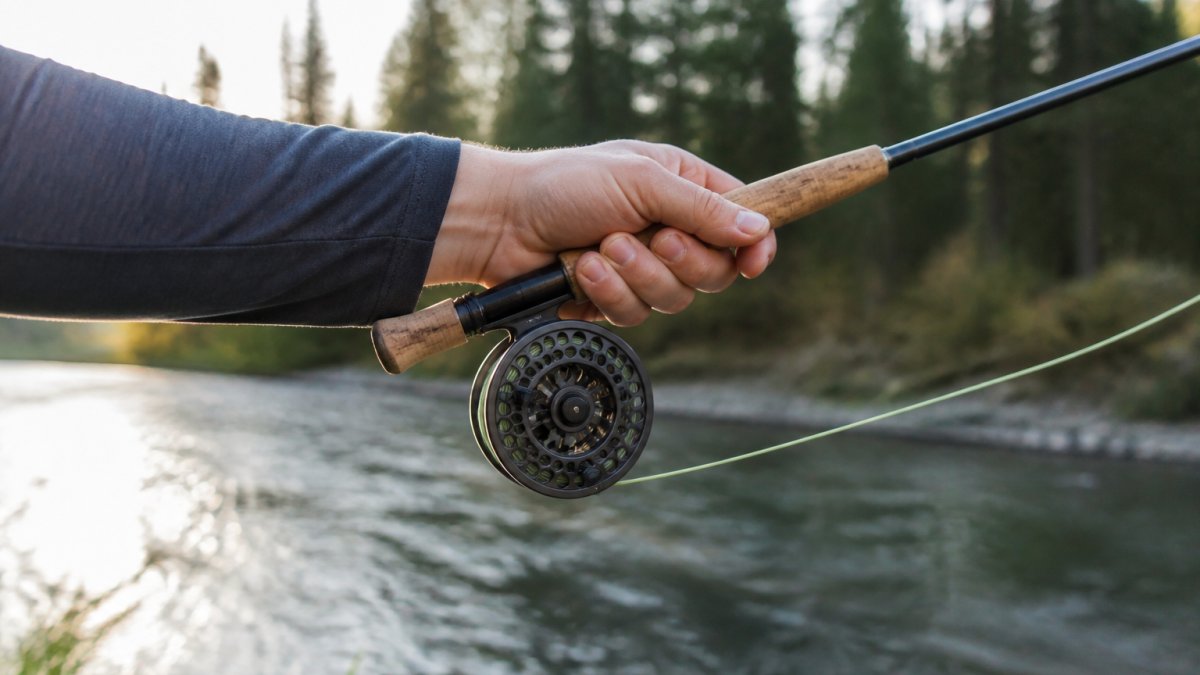
Click-and-pawl reels are typically lighter, often 2-3 ounces for small sizes. The simplified mechanics mean less material. This matters when you're casting for eight hours straight.
Disc drag reels are heavier because of the brake pad assembly, the disc, and the adjustment mechanism.
Reel balance, how the weight sits on the rod, matters as much as total weight. A well-balanced reel sits comfortably in your hand and doesn't create fatigue.
Your fishing style determines which matters more. If you're sight-casting to individual fish, casting accuracy and comfort are priorities, lighter is better.
Decision Framework: Which Reel Type Wins for You
| Factor | Click-and-Pawl | Disc Drag | Winner |
|---|---|---|---|
| Simplicity & Maintenance | Minimal upkeep | Regular maintenance needed | Click-and-Pawl |
| Drag Range | 2-3 lbs max | 5-8+ lbs | Disc Drag |
| Adjustability | Limited, pre-set | Infinite, mid-fight | Disc Drag |
| Startup Inertia | Instant engagement | Slightly delayed | Disc Drag for light tippet |
| Weight | 2-3 oz | 3-4+ oz | Click-and-Pawl |
| Cost | Lower | Higher | Click-and-Pawl |
| Small Fish/Tech | Excellent | Overkill | Click-and-Pawl |
| Large Fish/Saltwater | Limited | Ideal | Disc Drag |
When to Choose Click-and-Pawl
Choose click-and-pawl if you fish small to medium streams for trout, prefer simplicity over features, want minimal maintenance, or value reel weight and balance. If you're casting all day with a light rod, the weight savings matter. If you fish occasionally and don't want to think about reel maintenance, click-and-pawl is the right answer.
Click-and-pawl excels in technical dry fly situations where you need light, predictable drag and direct feedback. The simplicity is a feature, not a limitation.
When to Choose Disc Drag
Choose disc drag if you target larger fish, fish saltwater, need adjustable drag during the fight, or want maximum stopping power.
Disc drag is the practical choice for aggressive species and long runs. The adjustability and stopping power give you options that click-and-pawl can't match.
The choice between click-and-pawl and disc drag isn't about which is objectively better, it's about matching the reel to your fishing. Small streams and technical presentations favor simplicity.
At The Reeling Church Co., we carry reels that excel in both camps. The Raft Reel Professional Fly Reel at $27.99 offers consistent drag and reliable control for anglers building their first quality setup.

Frequently Asked Questions
What is the difference between click-and-pawl and disc-drag fly reels?
Click-and-pawl reels use a simple mechanical pawl that clicks against a rotating gear to create drag, offering straightforward operation and traditional appeal. Disc drag reels use stacked friction discs that compress against the spool, providing adjustable, consistent stopping power across a wider range. Click-and-pawl systems are simpler to maintain but offer less drag adjustment; disc drag systems deliver finer control and stronger maximum drag, making them better suited for larger fish or saltwater conditions.
Is a click-and-pawl reel strong enough for trout?
Yes, click-and-pawl reels work well for most trout fishing, especially in freshwater streams where fish runs are moderate and line weights are lighter (3-6wt). The mechanical simplicity and low startup inertia make them excellent for small to medium trout. However, if you target large trout in strong current, or fish where aggressive runs are common, a disc drag reel offers more stopping power and adjustability to protect your tippet and control the fish more confidently.
How do I adjust drag on a fly reel to protect my tippet?
Set your drag so that light hand pressure on the rod can pull line from the reel without the line breaking. A common rule is to set drag at about one-third of your tippet's breaking strength. For trout on 5x tippet (about 4 pounds), aim for roughly 1.5 pounds of drag pressure. Test this before fishing: pull line by hand and adjust the drag knob until the resistance feels right. Check your setting after every few fish, as drag can shift during hard runs.
Which fly reel drag system is easier to maintain?
Click-and-pawl reels are simpler to maintain because they have fewer mechanical parts and no friction discs to clean or replace. Rinsing with fresh water after saltwater use is usually sufficient. Disc drag reels require more attention: discs can accumulate salt, sand, or sediment that affects performance. Regular cleaning and occasional disc replacement keep them running smoothly. If you fish in harsh environments or saltwater, expect more hands-on maintenance with disc drag systems.
Can you palm the reel with both drag systems?
Yes, you can palm both click-and-pawl and disc drag reels to add extra braking pressure during a fight. Palming the reel rim adds immediate stopping power when a fish makes a hard run. With click-and-pawl reels, palming is often necessary because the baseline drag is lighter. Disc drag reels have stronger inherent drag, so palming is optional but still useful for maximum control on large fish or in fast current.