

Table of Contents
- Understanding Fly Rod Weight for Trout Fishing
- Quick Comparison Table: Rod Weights, Lengths, and Best Uses
- The Best Fly Rod Weight for Small Streams
- Best 5-Weight Fly Rods for Versatility
- Fly Rod Weight for Nymphing and Indicator Fishing
- Choosing the Best Fly Rod Weight for Trout: Decision Framework
- Common Mistakes When Selecting Rod Weight
- Frequently Asked Questions
Last Updated: October 14, 2026
Understanding Fly Rod Weight for Trout Fishing
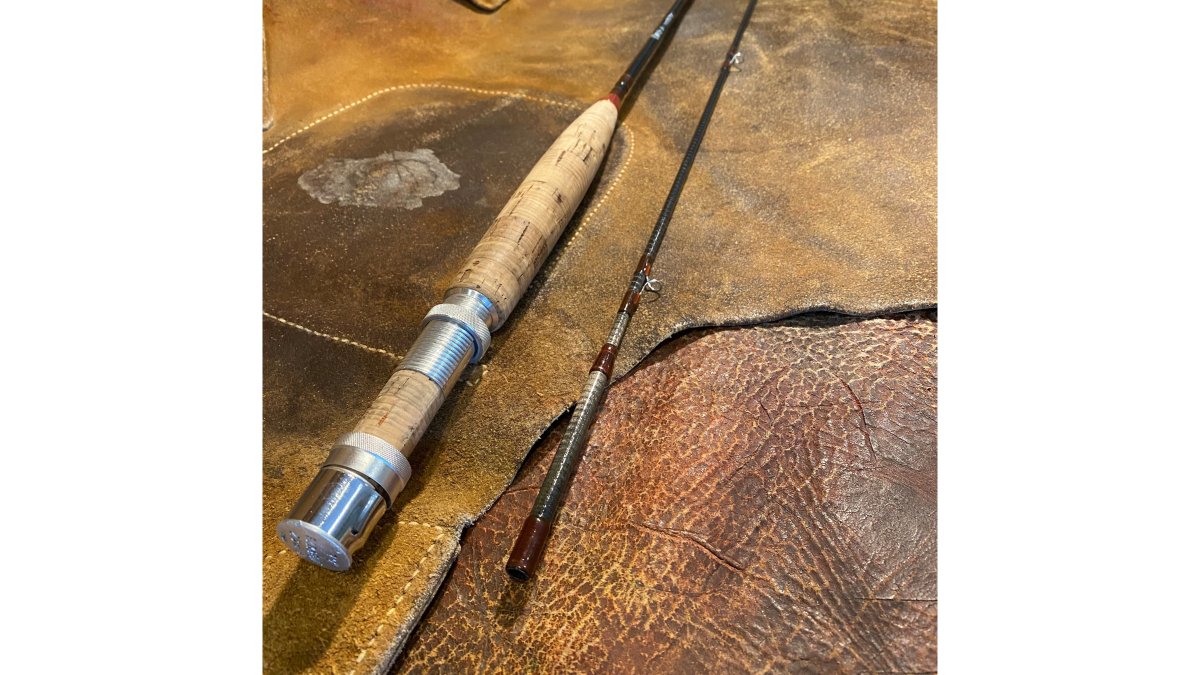
Understanding the 5 best fly rod weights for trout fishing is the single most important factor in choosing a rod for trout fishing. It determines how much energy you need to cast, how the rod loads and recovers, and whether you can effectively present your flies.

How Rod Weight Affects Casting and Fish Fighting
Rod weight affects two things: how much effort your cast requires and how much power you have when a fish is on.
Rod weight and line weight must match. A 5-weight rod is designed to cast a 5-weight fly line. Too light a line and the rod won't load properly; too heavy and you'll tire faster.
Casting accuracy changes with weight too. Lighter rods are more sensitive, ideal for precise presentations in tight spaces. Heavier rods forgive imperfect technique and excel in wind or at distance.
Matching Rod Weight to Water Conditions and Fly Size
Different water types demand different rod weights. Small streams with pocket water call for lighter, shorter rods. Large rivers need longer, heavier rods to reach distant fish and handle strong currents.
Fly size matters just as much. Tiny dry flies (size 18-22) cast easier with a 3 or 4-weight. Larger streamers and nymphs (size 4-10) require a 5 or 6-weight to turn over cleanly.
Water conditions change the equation too. High water and strong currents demand a heavier rod for line control. Low, clear conditions reward lighter rods because trout are spookier and presentations must be delicate.
Quick Comparison Table: Rod Weights, Lengths, and Best Uses
| Rod Weight | Best For | Fly Size | Water Type |
|---|---|---|---|
| 3-Weight | Tiny streams, delicate presentations | 18-24 | Small creeks |
| 4-Weight | Small to medium streams, nymphing | 12-18 | Pocket water, creeks |
| 5-Weight | All-around trout fishing | 8-16 | Streams, rivers, lakes |
| 6-Weight | Large rivers, bigger fish | 4-12 | Big water, wind |
The Best Fly Rod Weight for Small Streams
Small streams demand precision and finesse in tight quarters where a long rod becomes a liability. The best fly rod weights for small streams are the 3 and 4-weight, with the 4-weight offering the best balance of delicacy and versatility.
4-Weight Rods: Precision and Sensitivity
A 4-weight rod excels on small streams because it loads easily with minimal effort.
The trade-off is distance and power: a 4-weight struggles in wind and won't cast large flies well. If your small stream has bigger pools or you want to nymph under an indicator, it handles both reasonably well.
The St. Croix Mojo Trout Fly Rod in 4-weight is a solid choice here. At $160, it delivers St. Croix's reputation for SCIII graphite sensitivity in a compact 9-foot package that doesn't feel oversized on narrow creeks.

5-Weight Rods: The All-Around Choice
The 5-weight is the workhorse. It handles small streams well enough while giving you the power and distance to fish larger water. If you're buying one rod to work everywhere, the 5-weight is the answer.
On small streams, a 5-weight is slightly overpowered but not by much. You sacrifice some delicacy versus a 4-weight, but gain the ability to cast larger flies and fight bigger fish. Many anglers prefer this trade-off because they fish multiple water types.
Best 5-Weight Fly Rods for Versatility
The 5-weight is the most popular weight for a reason. It's the sweet spot between power and finesse. Here are the best options available through The Reeling Church Co.
Orvis Graphite 2 Pc. 5-Weight 7'9" Fly Rod: The Classic Performer
The Orvis Graphite delivers reliable performance at a mid-range price. This 2-piece 5-weight at 7'9" is shorter than most 5-weights, ideal for smaller to medium streams where a 9-foot rod feels long.
What makes it special is versatility across fly types: it handles dry flies delicately and loads quickly enough for weighted nymphs. The 2-piece design breaks down for transport without sacrificing feel. At $280, it's a proven performer.
This rod is best for anglers who want a classic setup for small to medium streams without premium prices.
Casting for Recovery & Hope Fly Rod: Purpose and Performance
The Casting for Recovery & Hope rod is a Temple Fork Outfitters 8'6" 4-piece 5-weight with a burgundy blank and a purpose beyond the water.
At $179, this rod delivers TFO's reputation for high-performance rods at accessible prices. The 8'6" length sits between traditional 8 and 9-foot models, and the 4-piece construction is travel-friendly.
This rod is best for anglers who want to fish with meaning: a tool that performs and a chance to support people rebuilding their lives after transplant.
Hendrix Outdoors 9' 5-Weight Combo: Ready to Fish
The Hendrix Outdoors combo is a complete setup: 9-foot 5-weight rod with matching reel in excellent condition. The handle is still wrapped in original plastic, and the combo appears fished just once. At $148.99, it's the most affordable complete 5-weight setup available.
You get a 4-piece travel rod, matched reel, and protective case. This combo removes the guesswork of pairing rod and reel and is ready to fish out of the box.
This combo is best for beginners or anglers adding a second rod cheaply. You get a functional 5-weight setup for small to medium streams and lakes.
Fly Rod Weight for Nymphing and Indicator Fishing
Nymphing requires a different approach than dry fly fishing. You're fishing below the surface with weighted flies, often under an indicator. The rod needs to be sensitive enough to detect takes and powerful enough to set the hook in deeper water. The 4 and 5-weight excel here, with the 5-weight offering more power for larger nymphs and deeper presentations.
Why 4-Weight and 5-Weight Excel for Nymphing Work
A 4-weight nymphing rod is sensitive and responsive, letting you feel every tick.
Orvis Graphite 2 Pc. 5-Weight 7'9" Fly Rod →
The 5-weight is better for serious nymphing. It gives you the power to set the hook in deeper water and faster currents, and the extra backbone helps fight fish without excessive bending.
Indicator fishing benefits from a longer rod. A 9-foot or 10-foot rod gives better line control and mending, keeping more line off the water to reduce drag.
TFO Lefty Kreh Pro Series: Built for Nymphing Work
The TFO Lefty Kreh Pro Series is a 10-foot 5-weight designed for long-range presentation and big-water work. At $219 in used but excellent condition, it's built for serious nymph anglers, and the 10-foot length gives exceptional line control and reach.
The Lefty Kreh Pro Series excels at Euro nymphing, indicator fishing, and streamer work. The extra length and 5-weight power suit deeper water and stronger currents.
This rod is best for dedicated nymph anglers on bigger water. The 10-foot length and 5-weight power are overkill for small creeks but ideal for serious nymphing on larger rivers and tailwaters.
Choosing the Best Fly Rod Weight for Trout: Decision Framework
Selecting from the 5 best fly rod weights for trout fishing depends on three factors: the fish you're targeting, the water you're fishing, and your budget.
Fish Size and Water Type Considerations
Trout size varies by location. Mountain streams hold 6 to 12-inch brookies and cutthroats. Spring creeks and tailwaters hold 12 to 20-inch browns and rainbows. Large rivers and lakes hold 15 to 25-inch fish and bigger.
Small streams with small trout call for a 3 or 4-weight. Medium streams with 8-16 inch trout call for a 4 or 5-weight. Large rivers and lakes with 15+ inch fish call for a 5 or 6-weight.
Water type matters equally. Tight pocket water demands a shorter, lighter rod. Open water demands a longer, heavier rod for distance and line control.
Seasonal and Regional Adjustments
Seasonal conditions change what works. Spring runoff brings high water and requires a heavier rod for control. Summer low water rewards lighter rods for delicate presentations. Fall and winter vary by region.
Regional patterns matter too. Western tailwaters and large rivers demand heavier rods. Eastern small streams and spring creeks reward lighter rods. Southwestern desert streams fall in between. If you fish multiple regions, a 5-weight is your safest bet.
Budget and Condition Trade-Offs
New rods from major manufacturers cost $300 to $600 or more. Used rods in excellent condition cost significantly less. The Reeling Church Co. specializes in gently used and vintage gear that delivers exceptional value.
A used Sage Foundation 9-foot 4-weight in mint condition costs $470.99 but has never been fished, new-rod quality at a discount.
The trade-off is condition. A $49 rod has history but still performs. A $470 unfished rod feels like new. Most anglers find the sweet spot is a used rod in excellent condition for $150 to $250.
Common Mistakes When Selecting Rod Weight
The biggest mistake is buying too heavy a rod for your primary fishing.
The second mistake is ignoring line weight compatibility. A 5-weight rod needs a 5-weight line; using a 6-weight line throws off the balance and wastes energy.
The third mistake is choosing based on brand alone. A premium brand doesn't guarantee the right fit for your water.
The fourth mistake is buying only one rod when your fishing demands multiple weights. If you fish both tiny creeks and large rivers, one rod won't handle both well.
Choosing the right fly rod weight for trout fishing isn't complicated once you understand how weight affects casting, fish fighting, and presentation. The Reeling Church Co. carries multiple options across both weights, from budget-friendly used rods to premium unfished specimens.
Frequently Asked Questions
What is the best fly rod weight for trout?
A 5-weight fly rod is the most versatile choice for trout across most conditions. It handles dry flies, nymphs, and light streamers equally well, casts accurately at typical trout distances, and provides enough backbone to fight fish without exhausting you on long days. For small streams with tight casting, a 4-weight excels. For larger rivers and heavier flies, a 6-weight gives you more power. Your specific water type and fly size should guide the final choice.
What fly rod weight should I use for small streams?
A 4-weight or 5-weight fly rod is ideal for small streams. The 4-weight delivers superior presentation and sensitivity in tight quarters where delicate casts matter, especially for small dry flies and light nymphs. It loads easily at short distances and feels responsive in your hand. The 5-weight adds versatility if you fish small streams occasionally but also want to handle larger water. Both weights excel in creeks and pocket water where precision beats distance.
Can a 5-weight fly rod handle all trout fishing situations?
A 5-weight handles most trout situations well, but not all. It excels on spring creeks, small-to-medium rivers, and tailwaters with dry flies, nymphs, and small streamers. It struggles in heavy wind, with large weighted nymphs requiring split shot or tungsten, and when fishing truly tiny flies on spring creeks where a 3-weight or 4-weight shines. For big rivers with large streamers, a 6-weight provides better control. One rod cannot do everything equally well, but a 5-weight covers more ground than any other single weight.
What is the difference between a 4-weight and 6-weight fly rod for trout?
A 4-weight is lighter, more sensitive, and casts smaller flies with delicate presentations. It excels on small streams and spring creeks but tires your arm on long days and struggles with heavy flies or wind. A 6-weight is heavier, more powerful, and handles larger flies, split shot, and wind better. It's suited for bigger rivers and longer casting distances but feels overkill on small water and can spook fish with harder presentations. Choose 4-weight for finesse, 6-weight for power and distance.
What fly rod weight should I use for nymphing?
A 4-weight or 5-weight fly rod is best for nymphing. The 4-weight provides better sensitivity to feel subtle takes and delivers delicate presentations with light nymphs. The 5-weight adds versatility for heavier weighted nymphs, split shot rigs, and longer casts on bigger water. Both weights load smoothly under the weight of an indicator and nymph setup. Euro nymphing and high-stick nymphing benefit from longer rods (9-10 feet) in these weights for better line control and drift management.